1.14M visits, and less than 1% actually bought
How I redesigned product-detail pages for seven Gulf e-commerce brands and built a reusable PDP framework — from a single urgent pilot to production across five stores.


Role
Part-time UX/UI Designer
Collabrators
Marketing manager
Timeline
Sep – Dec 2025
Brands
7 redesigned, 5 launched
At a
glance
What I found
Sessions grew 168%, but the Add-to-Cart rate fell 12% and completed checkout sat at 0.71%. Attention wasn't the problem.
Blocker
First-time visitors couldn't tell what they were buying, why it mattered, or whether to trust the brand before the page ran out of content.
Outcome
Five of seven redesigned PDPs shipped to production. Three Noor Food pages became the store's strongest by Add-to-Cart rate.

The Problem Behind 1.14 Million Visits
Makaseb's Instagram campaigns were driving over 1.14M visitors to Noor Organic's product pages, but only 2.02% added a product to their cart. We chose Noor Organic as a pilot to uncover why visitors were leaving before taking action.
Sessions
1.14M
+168% vs Mar - May 2025
Added to Cart
2.02%
-12% vs prior preiod
Reached Checkout
1.44%
-8% vs prior period
Completed Checkout
0.71%
+0.6 vs prior period

Shopify analytics From Jun 1 - Aug 31 , compared with Mar 1 - May 31 , 2025

Marketing Manager, Makaseb
We weren’t struggling to bring customers to the website. We were losing them after they landed on the product page
Users left before reaching the answers they needed.
Microsoft Clarity revealed that visitors were making purchase decisions before reaching the sections designed to answer their questions and build trust. The content existed, but it was buried too far down the page.
The critical drop
94.54%
of visitors left before reaching the product benefits section.
Only
5.46%
of visitors reached the content that explained why the product was worth buying.
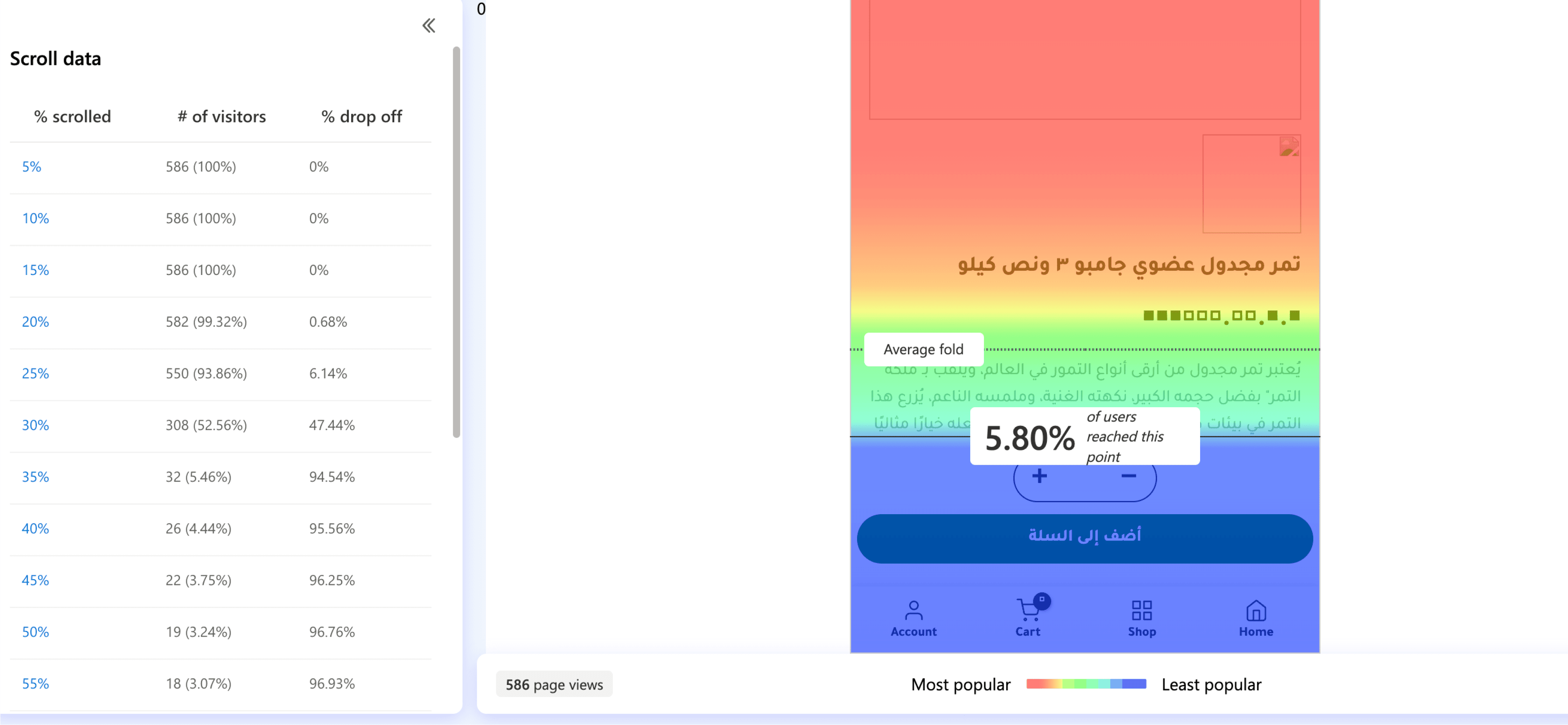
Microsoft Clarity Scroll Heatmap : The average fold occurred before the trust-building content, meaning most visitors left before seeing the information that could influence their purchase decision.
This was the experience users landed on.
Microsoft Clarity revealed that visitors were making purchase decisions before reaching the sections designed to build confidence. The information existed, but it appeared too late in the journey to influence most users.By the time visitors reached the benefits, reviews, and product details, 94.54% had already left the page.


Key insight
The product page didn't earn the user's trust before asking for a purchase.
Trust-building information was either too limited or positioned below the fold, leaving most visitors without enough context to justify the price.
A reusable framework instead of one redesign
Rather than redesigning a single product page, we created a reusable PDP framework that could scale across Noor Organic and the rest of Makaseb’s brands.
Behavioral data and e-commerce best practices shaped how information was prioritized throughout the buying journey.
5 Principles That Shaped the Framework
Clarity
Make products instantly understandable.
Trust
Earn confidence before conversion.
Scanability
Make information effortless to digest.

Decision
Remove friction from choosing.
Purchase
Keep buying simple and accessible.
The redesign, told as five decisions
Instead of one long page to scroll, here is what changed and why — each decision answers a problem the data exposed. Remember: 94.54% of visitors left before ever reaching the benefits section.

1
The first 5 seconds answer "am I in the right place?"
Visitors arrived from an ad about one specific product. Photo, name, rating, price, one clear promise and the buy button all land before any scrolling.
2
The content nobody reached, moved up and made scannable
Benefits became cards, ingredients became chips — the wall of text that 94% never saw is now readable at a glance.

3
Trust sits next to the decision, not below the fold
76% of visitors had never seen the brand before. Real reviews and customer videos now work as evidence at the moment of choosing.


4
The buy button never leaves the screen
However far a visitor reads, Add to Cart stays within reach. With 41% average scroll depth, the purchase action couldn't live at the bottom of the page and wait to be found.
5
Shopping continues, nothing interrupts it
The old page fired a full-screen promo popup right after the first Add to Cart — the exact moment a customer was warming up. It's gone. Related products and a repeated purchase area invite the next choice instead.
The framework scaled beyond one product
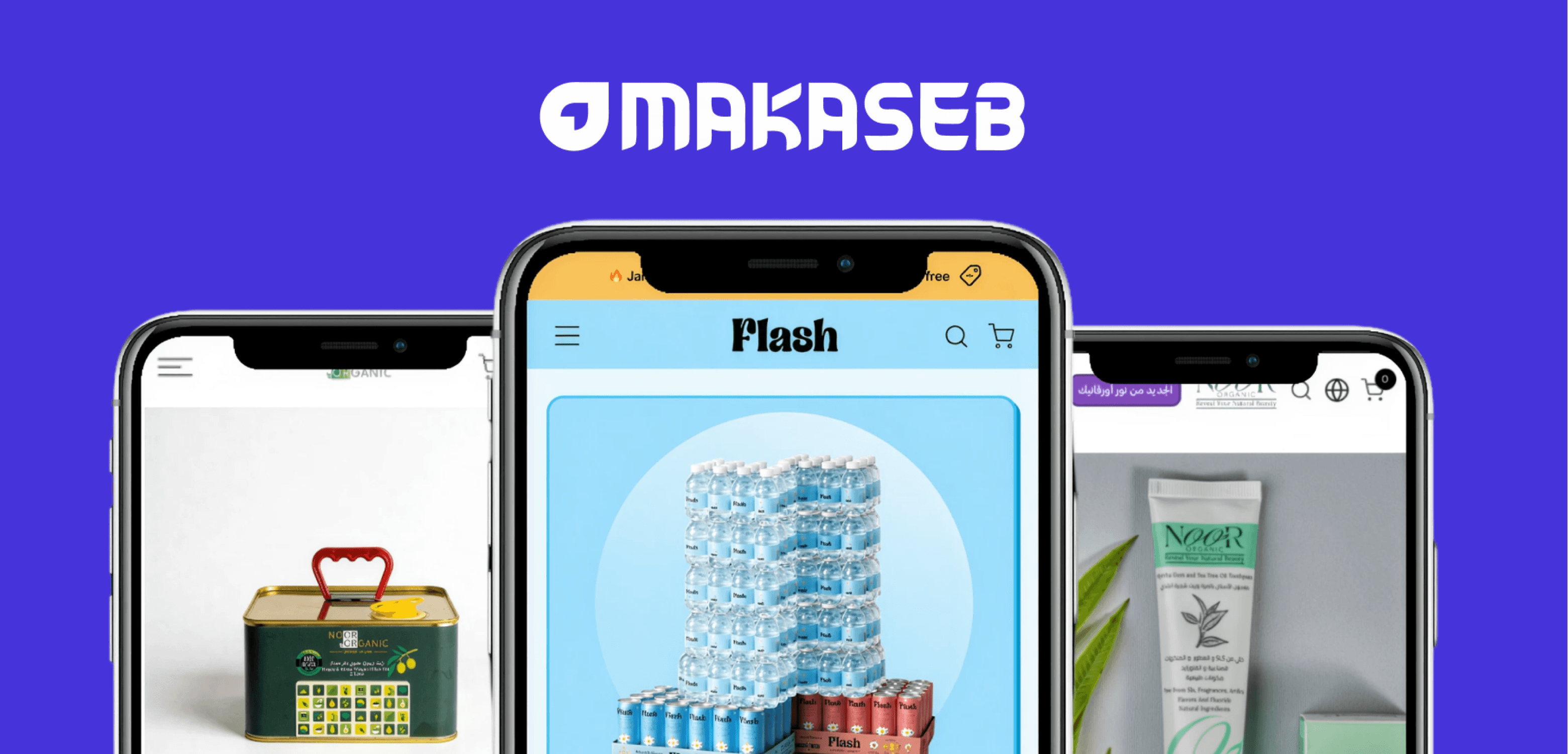
The reusable PDP framework was adapted across multiple Makaseb brands, while preserving each brand’s unique visual identity, product category, and business goals. Here are some examples from the live websites:




Next: 89% signed up. Never shipped
How we rebuilt a shipping company’s merchant onboarding, turning a confusing first-time dashboard into a guided path to account activation.
See what happened
